How Sump Pumps Support Effective Basement Waterproofing
A dry basement rarely happens by accident. It is usually the result of a system that manages water before water has the chance to settle, rise, seep, or spread. Among the tools that make that possible, the sump pump holds a special place. It is not the entire answer to basement moisture, but in many homes it is the device that turns a vulnerable lower level into a usable, protected part of the house.
Homeowners often think about waterproofing in terms of coatings, sealants, or patching visible cracks. Those measures can help in the right setting, but they only address part of the problem. Water around a foundation follows pressure, gravity, and the path of least resistance. If groundwater builds against the basement walls or under the floor slab, it does not care whether the owner has recently painted the concrete. It keeps pushing. A sump pump steps in at the point where water needs somewhere else to go.
When people ask whether a sump pump is necessary, the real question is usually broader. They are asking how serious their water risk is, whether this is a one-time issue or a recurring one, and what kind of Basement Waterproofing approach will actually hold up. Those are fair questions. A sump pump is most effective when it is treated as part of a complete drainage strategy rather than a stand-alone gadget dropped into a pit.
What a sump pump actually does
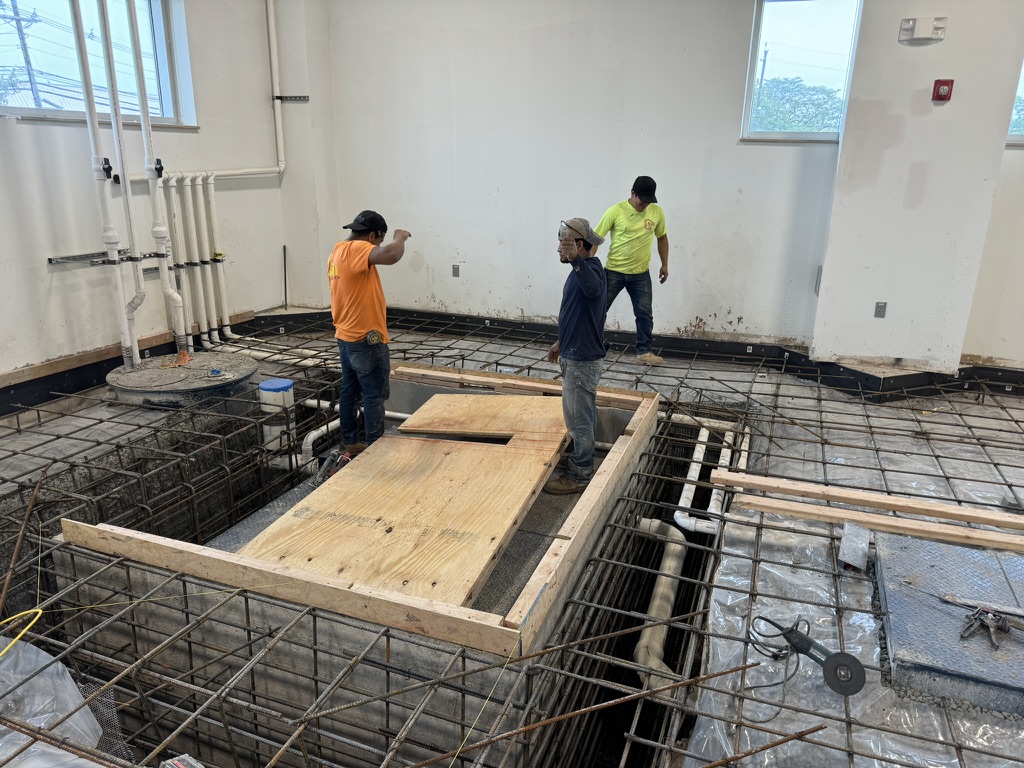
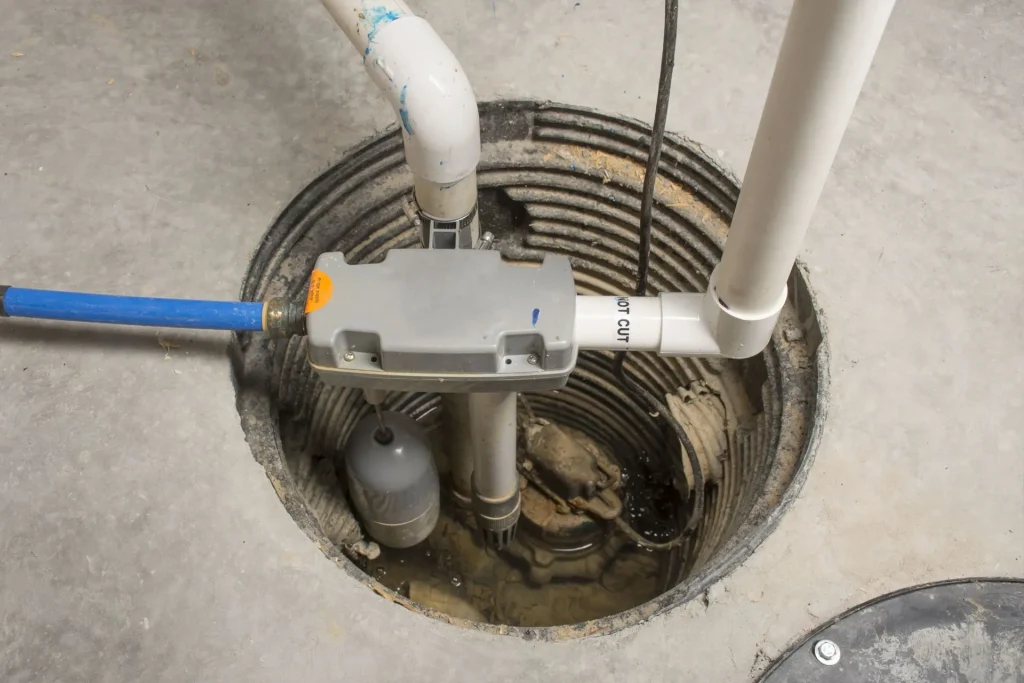
At its simplest, a sump pump collects water that has been directed into a sump basin, then pumps that water safely away from the home. The basin is usually set in the lowest area of the basement or crawl space. Water reaches it through perimeter drains, natural groundwater movement, or both. Once the water level rises to a set point, the pump activates and pushes that water through a discharge line to the exterior.
That basic description sounds straightforward, and mechanically it is. What matters is the role it plays inside the larger water management system. Hydrostatic pressure can build around a foundation after heavy rain, rapid snowmelt, or long wet seasons. As pressure rises, moisture can force its way through floor joints, wall cracks, porous concrete, and utility penetrations. A sump pump relieves that pressure by lowering the water level beneath or around the slab. It does not make the water disappear. It intercepts it and moves it before it becomes an interior problem.
In houses with chronic wet basement issues, I have seen this distinction missed over and over. Someone patches a crack, paints a waterproofing coating on the interior wall, and feels optimistic for a few months. Then a storm hits, groundwater rises, and water comes in somewhere new. The crack was real, but it was not the root cause. Pressure was.
Why groundwater is often the real enemy
Surface water gets a lot of attention because it is easy https://spencerryvf757.silverstonebrief.com/posts/the-pros-and-cons-of-interior-basement-waterproofing-systems to see. Overflowing gutters, puddles near the foundation, and downspouts dumping next to the house all deserve concern. But some of the most stubborn basement water problems begin below grade, out of sight.
Soils around a home absorb and hold water differently depending on their composition. Clay-heavy soil tends to retain water and drain slowly. Sandy soil sheds it faster, but can still direct significant water toward a footing area. During wet weather, the area around a foundation can become saturated. Once that happens, the basement walls and floor are effectively sitting inside a damp pressure zone.
This is where sump pumps make such a practical difference in Basement Waterproofing. They create a controlled low point where that water can collect and be removed. In many systems, a perforated interior drain tile or perimeter channel carries water to the basin. The pump then handles the discharge. Without that final step, the drainage system has nowhere to send the water. It would just collect.
A useful way to think about it is this: waterproofing below grade is less about making concrete magically watertight and more about controlling the movement of water around that concrete. The pump is often the machine that makes control possible.
Sump pumps are not a shortcut for bad drainage
There is a common mistake in residential waterproofing work, especially when homeowners are trying to solve a problem quickly. They install a sump pump and expect it to compensate for grading issues, short downspouts, clogged gutters, missing exterior drainage, and foundation cracks all at once. It cannot.
A sump pump helps enormously, but it works best when the rest of the site is doing its job. If roof runoff is dumping beside the house, the pump may cycle far more often than necessary. If the discharge line empties too close to the foundation, the system can end up recycling the same water. If the yard slopes toward the house, every storm increases the burden on the basin and pump.
Good Basement Waterproofing almost always starts outside. Proper grading should move water away from the foundation. Downspouts should extend far enough to discharge well away from the structure. Gutters need to stay clear so roof water does not cascade into the backfill zone. Window wells should drain correctly. Surface water management reduces the load, and the sump pump deals with what still reaches the foundation area.
That division of labor matters because it extends the life of the equipment. A pump that runs constantly because the site is shedding water poorly is a pump that will wear out sooner.
The relationship between drain tile and the sump basin
A sump pump by itself can remove water from a pit, but in many waterproofing systems the basin is only one part of a network. Interior drain tile systems, sometimes called perimeter drains, are often installed along the basement’s inside edge. These channels collect water entering where the wall meets the floor or from below the slab and direct it toward the sump basin.
Exterior footing drains serve a similar purpose from outside the foundation, though their condition in older homes is often uncertain. Some are crushed, blocked, or simply absent. In homes built decades ago, it is not unusual to find little or no effective footing drainage remaining. That is one reason interior drainage paired with a sump pump has become such a common retrofit.
This setup gives water an easier route than pushing up through the floor or across the slab. Instead of allowing pressure to build until moisture appears inside living space, the system encourages water to drop into a controlled channel and head toward the basin. Once there, the pump takes over.
When installed well, the result can be dramatic. Basements that once smelled musty year-round often become stable enough for storage, laundry, workshops, and in many cases full finishing. That does not mean they become invincible. It means the risk is managed at the source rather than merely cleaned up afterward.
Why finished basements raise the stakes
An unfinished basement can tolerate a minor water event better than a finished one. Concrete floors, exposed framing, and open utility access make cleanup easier. Once drywall, flooring, trim, insulation, and furniture enter the picture, the cost of failure rises quickly.
A sump pump protects more than the concrete shell of the basement. It protects finishes, electrical systems, appliances, stored belongings, and indoor air quality. Even a small amount of recurring moisture can create expensive problems in a finished lower level. Wet carpet padding, swollen baseboards, hidden mold behind walls, and damaged laminate flooring are routine outcomes when water control is weak.
I have seen homeowners spend tens of thousands on basement remodeling while treating water management as an afterthought. The sequence should be reversed. Before any finishing work begins, the waterproofing plan needs to be proven. That often means addressing exterior drainage, sealing obvious entry points where appropriate, and installing or upgrading the sump pump system if the site conditions call for it.
This is one of those cases where invisible work has the highest value. Nobody admires a sump basin during a basement renovation reveal, but it may be the element that protects everything else in the room.
Choosing the right type of sump pump
Not every pump fits every basement. The two most common styles are pedestal and submersible pumps. Pedestal pumps have the motor mounted above the basin, which can make service easier and keep the motor out of the water. Submersible pumps sit inside the basin and are generally quieter, which matters in finished spaces or homes where the basement is used often.
Capacity matters too, though bigger is not automatically better. Pump performance is rated based on flow and lift, usually described by how many gallons per hour or gallons per minute it can move at a given vertical height. A home with modest seepage during storms does not need the same equipment as a home with a high water table and frequent spring runoff. Oversizing a pump can cause short cycling in some systems, while undersizing can leave it overwhelmed.
Material quality matters more than many buyers realize. Better units usually have more durable switches, stronger impellers, and motors built for repeated cycling. The cheapest pump on the shelf may work for a while, but basement flooding tends to happen at the worst possible moment, during storms, at night, or when the house is empty. Reliability deserves more weight than purchase price alone.
For most homeowners, the more practical question is not which brand is trendy, but whether the pump suits the actual water conditions of the property.
Power outages and the case for battery backup
Here is the uncomfortable truth: sump pumps are often needed most when the electrical grid is under stress. Heavy storms can knock out power precisely when groundwater is rising and drainage demand is peaking. A standard pump without backup is vulnerable at the exact time its role becomes critical.
That is why a battery backup system is one of the most sensible upgrades in Basement Waterproofing, especially in flood-prone regions or homes with finished basements. A backup pump, typically powered by a marine-style battery or a dedicated backup system, can continue removing water after the primary unit loses power. Some systems also include alarms or smart notifications.
Water-powered backup pumps exist as well in areas with adequate municipal water pressure, though they are not suitable everywhere and may be limited by local codes or water use concerns. They can be effective in the right setting, but they require careful evaluation.
For homeowners deciding where to spend their budget, backup power is rarely glamorous, yet it often provides better real-world protection than a cosmetic repair. If the basement contains a furnace, water heater, electrical panel, or finished living area, backup protection is usually worth serious consideration.
Installation details that matter more than people expect
A sump pump system can fail because of small mistakes. Some of the most common problems are not due to the pump itself, but to poor installation around it. Basin size, check valve placement, discharge routing, lid sealing, and outlet location all affect performance.
One issue that comes up often is discharge placement. If the line dumps water only a few feet from the house, especially in heavy soil, much of that water can migrate right back toward the foundation. In freezing climates, discharge lines also need to be designed so they do not lock up with ice in winter. A frozen line can disable an otherwise healthy pump.
The basin cover matters more than many assume. A sealed or well-fitted lid helps reduce humidity, odors, and safety risks. In some homes it also limits radon entry pathways. The switch mechanism needs room to move freely, and the pit should be clean enough to prevent debris from jamming the float.
These are not decorative details. They determine whether the system works when tested by a real weather event.
Signs a basement may need a sump pump
Not every house requires one, but there are recurring warning signs that suggest a pump should at least be evaluated. Some are obvious, others easy to dismiss until they become chronic.
- Water appears where the wall meets the floor after heavy rain.
- The basement has a persistent damp smell, especially in spring or after storms.
- Efflorescence, that white chalky residue, shows up on concrete or masonry walls.
- The property sits in a low area, near a high water table, or on slow-draining soil.
- A neighbor with a similar house and grade already depends on a sump system.
A single sign does not automatically mean a pump is necessary. A basement can smell musty because of high humidity rather than direct seepage. Efflorescence points to moisture movement, but not always active water entry. What matters is the pattern. When multiple signs show up together, or when water has already entered once, it is time to assess the drainage strategy seriously.
Maintenance is simple, but neglect is costly
Sump pumps do not demand constant attention, yet they should never be ignored. The worst time to discover a failure is during a storm, with water already on the floor. Basic maintenance goes a long way toward preventing that scenario.
- Test the pump periodically by adding water to the basin and watching it cycle.
- Check that the discharge line is clear, properly attached, and draining away from the house.
- Clean debris from the pit if sediment or small gravel has accumulated.
- Replace backup batteries according to the manufacturer’s guidance.
- Listen for changes in sound, because grinding, rattling, or long run times often signal trouble.
Most of this can be handled in a few minutes a couple of times a year. Spring and fall are sensible checkpoints. Homes with heavy groundwater activity may need more frequent attention. If the pump is over seven to ten years old, depending on quality and usage, replacement planning becomes wise even if it still works. Mechanical equipment ages, and sump pumps do not usually fail on a convenient schedule.
Common misconceptions about sump pumps and waterproofing
One of the biggest misconceptions is that interior waterproofing means water has already “won.” That is too simplistic. In many retrofit situations, an interior drainage system with a sump pump is the most practical and durable solution available. Excavating the entire outside of a foundation can be disruptive and expensive, especially with porches, driveways, decks, or tight lot lines in the way. There are cases where exterior work is essential, but interior systems are not second-rate by default.
Another misconception is that a dry basement over one season proves the problem is solved. Water issues are cyclical. A modest year can make almost any basement look better than it is. The real test comes during periods of prolonged rain, rapid thaw, or back-to-back storms.
Then there is the belief that dehumidifiers are a substitute for drainage. They are not. A dehumidifier can improve air quality and reduce surface dampness, and in many basements it should be part of the plan. But it does not relieve hydrostatic pressure, remove rising groundwater, or stop seepage at the slab edge.
Where sump pumps fit in a complete Basement Waterproofing plan
The most effective waterproofing plans account for the house as a system. The roof, gutters, downspouts, grading, drains, foundation walls, floor slab, humidity control, and sump pump all interact. If one part fails, the burden shifts to the others.
A solid Basement Waterproofing strategy often includes diagnosing the source of water first, not just reacting to the visible symptom. Sometimes the fix is primarily exterior. Sometimes the key is an interior drainage channel and a well-sized sump pump. Often it is both. The right answer depends on the age of the home, local soil conditions, climate, water table behavior, and how the basement is used.
What the sump pump offers is active protection. Many waterproofing materials are passive by nature. They resist, block, or redirect. The pump removes. That active role is why it matters so much in homes where water pressure under or around the basement cannot be fully prevented.
For homeowners, that distinction is worth remembering. Waterproofing is not a single product. It is a method of controlling water. In many basements, the sump pump is the part of that method that does the heaviest lifting when the weather turns rough. When chosen carefully, installed correctly, and maintained with a little discipline, it supports the kind of dry, dependable lower level that every homeowner wants and far fewer achieve by chance.
ARD Waterproofing
98 Smull Ave, West Caldwell, NJ 07006, United States
+1 917-691-8411
FAQ About Basement Waterproofing
Can you 100% Waterproof a Basement in West Caldwell?
A properly designed system can substantially reduce basement water intrusion, but no method can promise protection against every flood, equipment failure, or future change in site conditions. The first step is identifying whether moisture comes from surface runoff, groundwater, plumbing, or condensation. Solutions may include grading and gutter improvements, drainage, foundation repairs, and a sump system. Review the specific coverage and exclusions of any written warranty.
How much does it cost to professionally waterproof a basement in NJ?
There is no single price that fits every basement. Cost depends on the cause of the leak, the area needing work, access, excavation requirements, drainage design, sump equipment, and restoration of disturbed finishes or landscaping. Request an on-site assessment and an itemized written estimate that explains the scope, exclusions, and maintenance requirements before comparing proposals.
How long does foundation waterproofing last in West Caldwell, NJ?
Service life varies with the waterproofing materials, installation quality, soil and water conditions, and maintenance. Drainage components and pumps may require servicing or replacement even when other parts of the system remain functional. Keep gutters, drainage outlets, and sump equipment maintained, and have recurring leaks or changes in foundation condition assessed. Ask for product-specific expectations and written warranty terms rather than relying on one lifespan for the entire system.